
Ağustos 25, 2026
Why Buying Ammunition by the Case Saves You More Than Money
Stock Up Now: Bulk Ammo Deals That Won’t Last
What if you could streamline your shooting practice without compromising on performance? Bulk ammo refers to ammunition purchased in large quantities, typically in boxes of 500 rounds or more, rather than in standard retail packaging. These rounds function identically to individually boxed cartridges, feeding and firing through your firearm with the same reliability, but they are often packed simply in loose trays or bags to reduce handling and packaging costs. The primary benefit is cost efficiency per round, alongside the convenience of having a consistent supply on hand for extended range sessions or repeated drills.
Why Buying Ammunition by the Case Saves You More Than Money
Buying ammunition by the case in bulk ammo form means you’re not just trimming the per-round price—you’re saving the time that used to vanish on weekly shop runs. That extra hour at the range, or the ability to grab a box for a friend without flinching, becomes part of your routine. The real payoff is consistency: every cartridge in a single case shares the same lot number, so your zero and your groupings stay identical session after session. You stop re-dialing your scope and start trusting your muscle memory. And when the weather finally breaks, you’re not rationing—you’re already stocked for a full season of practice. The savings aren’t just financial; they’re the freedom to shoot when you want, not when you can afford to.
How Per-Round Costs Drop When You Purchase in Volume
The most direct financial lever in bulk ammo is the arithmetic of packaging. When you buy a 500-round case, you are paying for one box, one shipping label, and one handling step, whereas five 100-round boxes carry five times the per-unit logistics overhead. Retailers price each round by dividing total case cost by count, so the margin on a single box simply disappears at volume. Per-round costs drop because fixed fees—freight, credit-card processing, and shelf restocking—get amortized across hundreds of rounds, not just a few dozen. Additionally, manufacturers offer case-level discounts as a production incentive, shaving 10–20% off the per-cartridge price compared to bricks. This savings compounds when you factor in that the price per round stays locked for the entire case, insulating you from mid-shipment price hikes. The result is that your cost per trigger pull falls sharply, often by 15–30%, the moment you cross the case threshold.
Volume purchasing reduces per-round cost by spreading fixed packaging, shipping, and processing fees over more cartridges, while case-level manufacturer discounts lower the unit price further.
The Hidden Savings on Shipping and Per-Order Fees
Shipping costs and per-order fees don’t scale linearly—they punish small purchases. Buying a single box of ammunition might add $15 in freight, but a case spreads that same charge across hundreds of rounds, effectively slashing your per-round logistics cost. Many retailers also waive order-processing fees only when you hit a case-quantity threshold, so consolidating your purchase unlocks savings that never appear on the shelf price. Avoiding a second, third, or fourth trip to checkout means you pay that handling fee once, not repeatedly. This is the hidden per-round savings on bulk ammunition, and it’s often more valuable than the advertised discount itself.
Shipping and per-order fees are fixed costs—buying by the case dilutes them into near nothing, turning a hidden drain into a 6.5 PRC Ammo for Sale silent discount.
Locking in Today’s Price for Future Shooting Sessions
Locking in today’s price for future shooting sessions turns bulk ammo into a strategic hedge against your own budget. When you buy a full case now, you fix your cost per round, so next month’s range trip doesn’t come with a surprise markup. Case-level purchasing secures your ammunition budget against gradual retail creep, meaning every box you open later was paid Shotgun Ammo for Sale for at a rate you already approved. You are effectively paying yourself the difference between today’s shelf price and whatever tomorrow demands. One case covers dozens of sessions, so the savings compound with each visit.
Q: How does locking in today’s price help future shooting sessions?
A: You eliminate financial uncertainty from your practice schedule—your ammo cost is frozen, so you can train consistently without re-checking prices or delaying trips.
What to Check Before You Commit to a Large Ammunition Order
Before finalizing a bulk ammo purchase, verify the lot’s headstamp and manufacturing date to avoid mixed or aged stock, and check the primer sealant for corrosion risk. Confirm your firearm’s chamber pressure rating against the specific load, especially for surplus or remanufactured 7mm WSM Ammo for Sale rounds. Weigh the cost-per-round against shipping fees and return policies—a deal collapses if you’re stuck with defective batches. Also, inspect the packaging for water damage or crushed boxes, which indicate poor handling. Q: How do you test a large order without wasting it? A: Fire a 50-round sample from different boxes, checking for consistent velocity and extraction before trusting the full case for storage or training.
Matching the Cartridge Specs to Your Firearm’s Chamber
Before you drop serious cash on bulk ammo, always double-check that the cartridge specs match your firearm’s chamber—this isn’t just a suggestion, it’s a safety must. A round that’s too long, too hot, or loaded to the wrong pressure can cause malfunctions or worse. For example, a .308 Win won’t safely fit a 7.62×51 chamber in all rifles, and vise-versa, so verify the headstamp and overall length against your manual. Also, check bullet weight and profile—some barrels hate certain ogives, causing feed issues. When buying cases, confirm the exact load data matches your barrel twist, too. Matching cartridge specs to your chamber ensures every round cycles reliably and protects your gun’s longevity.

Understanding Bullet Weight and Grain Options in Bulk Lots
When evaluating bulk lots, bullet weight and grain options directly influence your firearm’s mechanical reliability and terminal performance. A single lot that mixes 115-grain and 147-grain 9mm rounds will shift your point of impact noticeably at distance, and it can cause feed failures if your magazine springs are tuned for one specific mass. Check the stated grain on every box or sealed case label; some distributors list “range variation,” meaning a 55-grain .223 lot may actually contain 52- and 62-grain projectiles. That hidden spread alters recoil impulse and barrel twist rate stability. For precision rifles, request the exact grain lot number before purchase, so you can verify consistent velocity. Or, if you shoot only close-range steel, a lighter grain in bulk is acceptable for cost savings.
How to Verify Lot Numbers and Headstamp Consistency
Before committing to bulk ammo, verify that every box shares the same lot number printed on the case label; a mixed lot indicates inconsistent powder charges or bullet seating. Check the headstamp on every tenth cartridge—identical caliber, manufacturer, and date code across all rounds confirm a single production run. Use a magnifier to compare stamp depth and font, as subtle differences reveal reloads or factory seconds. Request the lot number from the seller in writing, then cross-reference it against the boxes upon delivery. Headstamp consistency verification also requires checking primer crimp style; new production uses uniform crimps, while mixed headstamps often show varying stake patterns.
Q: How do I verify lot numbers and headstamp consistency if the boxes are already opened?
A: Ask the seller for the original lot certificate, then randomly sample 20 cartridges from different boxes. Lay them side-by-side, base-up, and photograph the headstamps at 5x zoom. Compare each mark against the reference lot photo; any deviation in numeral alignment or rim bevel means the lot was split or adulterated.
Practical Tips for Storing a Large Stockpile of Rounds
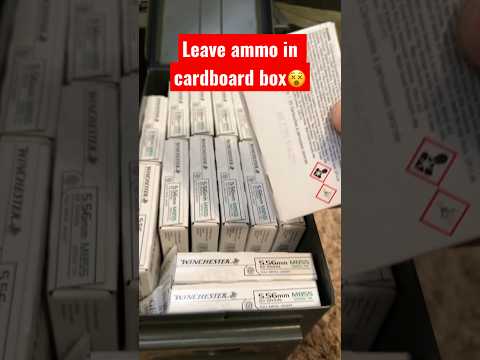
For bulk ammo, prioritize climate-controlled, low-humidity storage above all else; seal rounds in military-style ammo cans with desiccant packs, and rotate stock by lot number to shoot the oldest first. Avoid storing loose rounds in cardboard boxes on concrete floors—use elevated pallets or steel shelving to prevent moisture wicking. Inspect seals quarterly and replace desiccant when the indicator changes color. For long-term bulk, vacuum-seal smaller batches inside Handgun Ammo for Sale the cans to minimize oxidation.
Never stack cans beyond four high—weight crushes lower primers, causing deformation and misfeeds.
Label every can with caliber, grain, and purchase date, and keep a digital inventory log to track usage against your bulk reserve.
Choosing the Right Ammo Cans and Moisture Barriers
For bulk storage, prioritize metal .50-caliber cans with rubber gaskets over plastic variants, as they resist crushing when stacked and seal more reliably against humidity. Inspect the gasket for cracks before buying surplus cans; a failed seal negates the moisture barrier entirely. Inside, add reusable silica gel desiccant packs—two 10-gram packs per can for a 50-round capacity—and recharge them by baking at 200°F for two hours. Avoid foam liners, which trap ambient moisture against the brass. Place the can off a concrete floor on wooden pallets or shelving, since concrete wicks groundwater vapor upward. For long-term storage, vacuum-seal ammo in mylar bags with an oxygen absorber before placing them inside the can; this adds a second hermetic Ammunition for Sale layer against condensation cycles.

Choosing the right ammo cans and moisture barriers means verifying gasket integrity, adding rechargeable desiccants, and using sealed inner bags to create a multi-layer defense against rust and primer degradation.
Rotating Your Supply to Keep Older Cartridges Fresh
In any bulk ammo stockpile, rotating your supply to keep older cartridges fresh is essential because ammunition degrades subtly over decades, even in ideal storage. Implement a first-in, first-out (FIFO) system by physically moving newly purchased boxes to the back of your shelf or crate, while pushing older batches to the front for immediate range use. Before shooting, inspect older rounds for tarnish, loose bullets, or cracked primers, and set aside any questionable ones for disposal. Rotating does not restore degraded powder, but it Rimfire Ammo for Sale prevents you from firing a case that has already begun to break down. For a clear sequence:
- Date every box with a permanent marker on purchase.
- Place new arrivals behind existing inventory.
- Quarterly, pull the oldest dated boxes and shoot them first.
- Replace consumed stock with fresh rounds.
This habit ensures your bulk reserve remains uniformly reliable, not just theoretically stored.
Safe Storage Temperatures That Prevent Powder Degradation
Keep your bulk ammo stockpile out of the attic and away from the garage wall where summer heat peaks. Powder degradation accelerates above 120°F, so target a stable range between 50°F and 70°F for long-term storage. A cool, dark closet or basement shelf works, but avoid concrete floors that wick cold and cause condensation when temperatures swing. For serious hoards, an insulated locker with a cheap thermometer beats guessing—check it seasonally. **Safe storage temperatures prevent powder degradation** by slowing chemical breakdown of nitrocellulose, preserving burn rate consistency and pressure. Freezing isn’t necessary, and rapid thawing invites moisture, so just keep it boring, steady, and shaded.
How to Break Down a Bulk Purchase for Range Days and Training
When that bulk ammo case lands on your doorstep, resist the urge to just stack it in the corner. Instead, break it down immediately into range day and training batches. Use a simple ammo can per caliber and purpose—say, one labeled “pistol drills” and another “rifle practice.” Separate out a zeroing stash (say, 50 rounds of match-grade) from your general blasting pile, and always keep a dedicated malfunction-clearing batch of cheap reloads separate from your carry ammo. Then, portion each can into smaller zipper bags by session count—like 100 rounds per handgun trip—so you grab one bag and go. Finally, track what you shoot weekly against what you bought; that way, your bulk supply feeds your training log, not just a dusty shelf.
Setting Up a Resupply Kit for the Range Bag
To set up a resupply kit for the range bag, pull a dedicated portion from your bulk ammo purchase before distributing the rest to storage. This kit should hold only what you will realistically fire in a single session—typically 100 to 200 rounds per caliber—so you avoid dragging heavy, unnecessary weight. Use a rigid, padded pouch or a small ammo can that seals tightly to prevent moisture and debris from contaminating cartridges. Building a caliber-specific resupply kit involves a clear sequence:
- Sort bulk ammo by caliber and lot number to maintain consistent ballistics.
- Fill the kit with your planned round count, leaving extra space for a speed loader or empty mags.
- Label the outside with the date and load data for quick verification at the bench.

Restock the kit only after every range trip, pulling fresh rounds from the bulk stash so it is never partially empty. Rotate older stock into the kit first to keep ammo turnover even, and keep one small zipper bag of misc spare parts—like a cleaning cloth or a chamber flag—paired with the ammo for a complete resupply solution.
Using a Dump Pouch or Loader for Faster Magazine Fills

When breaking down bulk ammo for range sessions, a dump pouch or magazine loader directly addresses the bottleneck of repetitive hand-loading. Dump pouches let you pour loose cartridges into a wide-mouth opening, then orient them specialty sports by feel, cutting the time spent fishing rounds from boxes. A dedicated loader, such as a Uplula-style device, compresses the spring and seats rounds in a single stroke, which is far more efficient than thumbing each cartridge. Pairing a dump pouch with a loader creates a continuous workflow: scoop, align, and press, eliminating the fumble between containers. For high-volume training, this system reduces hand fatigue and keeps your focus on shooting, not on faster magazine fills from bulk ammo. Choose a pouch with a rigid rim for one-handed access.
Tracking Your Round Count to Plan Your Next Restock
Tracking your round count transforms a bulk ammo purchase from a static stash into a dynamic training asset. Before each range session, log the exact number of rounds loaded per magazine and per caliber, then subtract failures and malfunctions from your total. This precise tally lets you forecast when your supply will dip below your minimum training threshold, prompting a timely bulk ammo restock before you’re forced to ration drills. Use a simple notebook or a digital app to record each outing; over a month, you’ll see a reliable consumption rate. With that data, you can schedule your next purchase to align with an upcoming training block, ensuring you never interrupt your practice rhythm or pay premium prices for emergency single boxes.
Common Questions First-Time Volume Buyers Ask About the Process
First-time volume buyers often ask whether **bulk ammo purchases** arrive as sealed cases or loose boxes, and how shipping weight affects delivery timelines. They want clarity on whether mixing calibers in one order complicates the process, and if backorder status means delayed fulfillment. A key concern is verifying lot numbers for consistency across thousands of rounds, plus understanding return policies if a box arrives damaged. Many also inquire about per-round pricing tiers—does ordering 5,000 rounds unlock a better rate than 2,000? Finally, they ask how to store large quantities safely without specialized equipment, and whether pallet delivery requires a forklift or signature. The process is straightforward: choose quantity, confirm caliber and grain weight, then schedule delivery with lead time estimates provided upfront. No hidden steps, no surprises—just efficient logistics tailored to volume.
What Is the Real Shelf Life of Factory-Sealed Cartridges?
Factory-sealed cartridges, especially when stored in stable, cool, and dry conditions, can easily last **decades without meaningful performance loss**. The real shelf life isn’t a fixed expiration date; it’s about how well you protect them from temperature swings and humidity. For bulk ammo buyers, this means your sealed boxes are essentially an investment that stays viable for 20 to 30 years or more. The factory crimp and seal keep moisture out, but only if the packaging remains fully intact. Once you break the seal, the clock starts ticking faster, so rotate your stock and keep the original boxes sealed until you actually need them.
- Sealed military-surplus or commercial ammo often fires reliably after 40+ years 7mm-08 Ammo for Sale if stored in a climate-controlled space.
- Ammonia-based cleaners or drastic temperature changes near the storage area can degrade primers and powder even inside sealed boxes.
- Visual rust, green corrosion on the case mouth, or a musty smell inside the packaging means the seal already 6.5 Creedmoor Ammo for Sale failed.
Can You Mix Different Brands and Lots in the Same Session?
Yes, you can mix different brands and lots in the same shooting session, but it requires Rifle Ammo for Sale careful tracking. Different lots of the same cartridge can vary in velocity, pressure, and point of impact, which is especially noticeable at longer ranges. For practice or plinking, mixing brands is generally fine, but for precision work or zeroing a firearm, stick to one lot. Consistent lot numbers are critical for accurate performance validation. Before combining, confirm the ammunition shares the same bullet weight, type, and overall length to avoid feeding issues. While functionally safe, mixed lots make diagnosing a malfunction or accuracy problem far more difficult.
- Label your ammo containers by lot number to track performance differences.
- Test each lot individually before mixing to verify reliable cycling in your firearm.
- Use mixed lots only for close-range practice, not for competition or defensive shooting.
- Chronograph mixed lots to understand velocity variations.
How Do You Handle a Defective Round Found in a Big Purchase?
When you spot a defective round in a bulk ammo purchase, stop shooting immediately and set that cartridge aside in a separate container. Note the box lot number and the position it occupied, then photograph the defect (e.g., dented case, loose primer, or setback bullet). Contact the retailer or manufacturer with your order number and photos; most reputable sellers offer a replacement or credit for the single round or an entire sealed box, depending on their policy. **Never attempt to disassemble or fire a defective round**—dispose of it only as directed by the seller. Some companies require you to mail the round back in a padded envelope, while others ask you to write “DUD” on it and include it in your return package.
- Isolate the round and document the defect with clear photos and lot details.
- Reach out to the seller before disposing anything—they may want it returned.
- Keep the original packaging and receipt to speed up the replacement claim.
- Follow state-specific disposal rules if the seller tells you not to ship it back.

My Blog